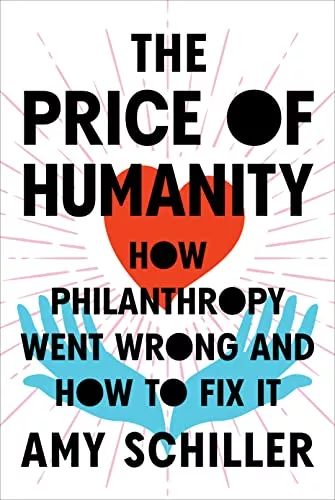
Since the late nineteenth century, Andrew Carnegie, considered the founding father of modern giving, strongly criticized both posthumous bequests and indiscriminate acts of charity. He believed that wealth should be utilized during one’s lifetime to create communal value, famously asserting that “to die rich is to die disgraced.”

Source: Serudsindia
From there, a new dividing line gradually emerged: “charity” came to be seen as almsgiving, impulsive, and piecemeal, whereas “philanthropy” was defined as scientific, strategic, and focused on addressing root causes. Leading figures such as Rockefeller, Carnegie, and major American foundations in the twentieth century all affirmed that philanthropy is not merely a form of crisis relief but a means to extinguish the flames from within.
However, this absolute dichotomy also has its limitations. Philanthropy can at times become overly rational and detached from direct empathy, while charity, if reduced to an impulsive gesture, may lack sustainability. Yet, when paired together, they mutually reinforce one another: charity provides warmth and timely support; philanthropy generates lasting transformation.
Today, we do not need to choose “either–or.” We can simultaneously offer a hot meal and join hands to build systems that help others achieve self-reliance. We can both alleviate immediate suffering and cultivate a compassionate ecosystem for future generations.
What matters is not so much what we call these acts, but whether we are contributing to a world in which every person lives with dignity, love, and opportunity for growth.
Charity and philanthropy, two distinct pulses, but when harmonized, form the vigorous heart of compassion.