- Awards: “New Currents” Award at the 2019 Busan International Film Festival; “Best First Feature” at the Fantasia International Film Festival; “Most Popular Feature Film” at the Mai Vang Awards
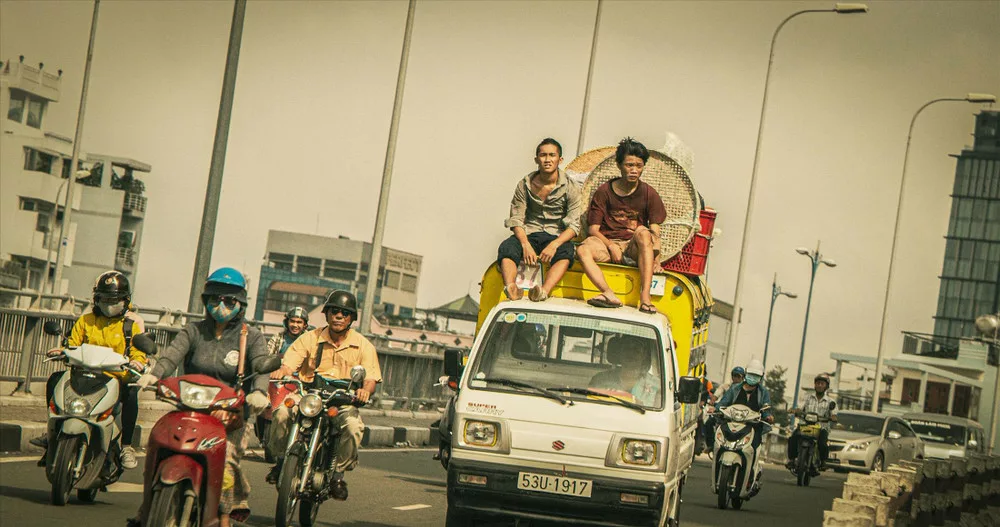
Amidst the blaze of headlights, the dense high-rises and the pulsating rhythm of city life, Ròm appears as a persistent scratch, muted yet enduring. The film does not embellish reality, nor does it grant viewers a safe vantage point. Instead, it draws us closer, close enough to witness the bewilderment in a child’s gaze, and to sense the deep ache residing at the very depths of shattered dreams.
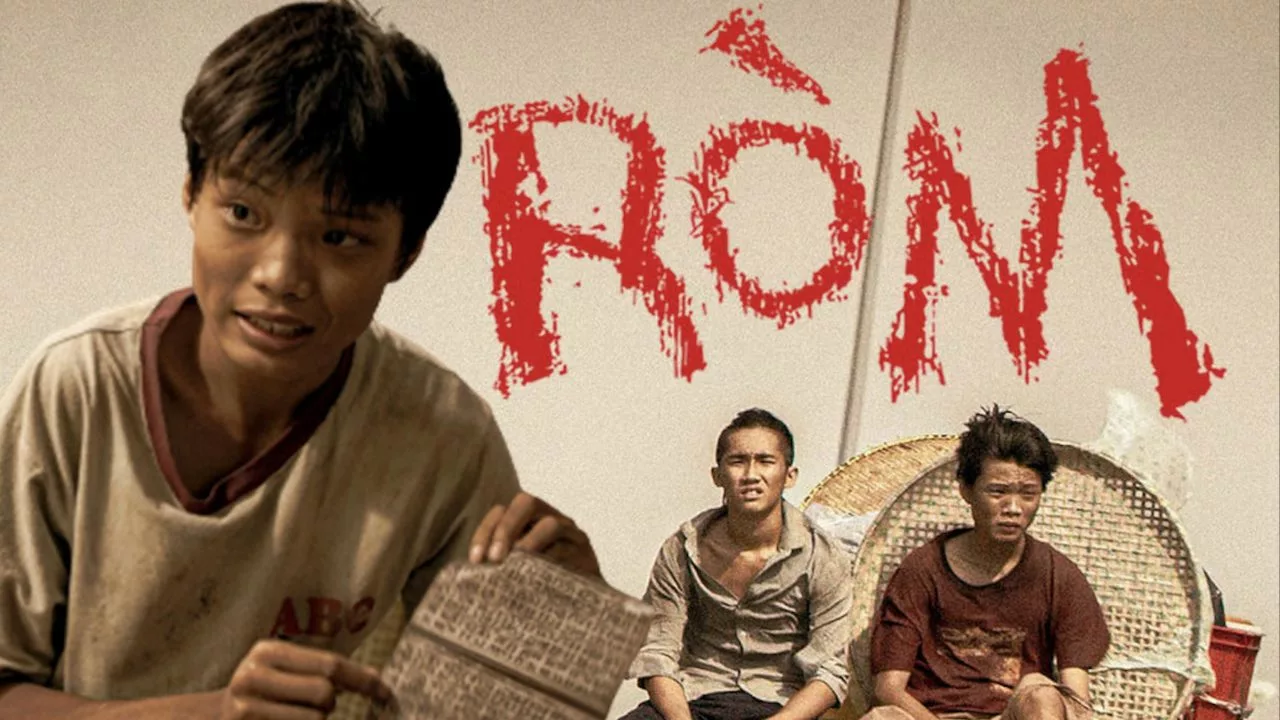
The protagonist, Ròm, is an orphaned boy living in an old apartment block in the heart of Saigon. He survives as a “lottery tipster,” someone who suggests numbers to the poor, people who pin their last hopes for a better life on a single bet. He weaves through cramped corridors, derelict buildings awaiting demolition, and dreams folded away beneath shouts and relentless chases. Ròm does not beg, nor does he complain. He merely lives, by means forced upon those like him, surviving in a society that leaves no room for the lost.
This film neither preaches morality nor solicits pity. Yet it leaves the audience with a lingering ache: What happens when a child is left without choice? When the society around him is too preoccupied to notice his quiet deviation from the “normal”, not because he is at fault, but because no one is there to hold him back?
“Ròm” reminds us that urbanization must not be measured solely by the number of high-rises, but by the capacity to ensure that those who live within, especially children, are heard, protected, and able to live with dignity.
While many charitable programs remain focused on remote areas, where geographic distance is easily confused with “need”, Ròm unearths an undeniable truth: even at the heart of modern cities, neglected and impoverished corners still exist. There are children who slip through the cracks of the system, vanish into invisibility, lost in the relentless pace of life where a small face is seldom enough for anyone to pause.
From the perspective of urban philanthropy, Ròm does not call for specific action, but rather opens up deeper questions:
- What does charity in the city truly look like?
- Does it mean material giving, or should we reconsider the way we relate to those around us?
- Is it about intervention, or the patient rebuilding of the fractured bonds, between individuals, between communities and their children?
Ròm leads us to believe that urban charity needs a new regard, more delicate, more subtle, and more intimate. It is no longer a matter of “bringing something” to the community, but of walking alongside, understanding, and believing that within each child, whether from the mountains or the city, resides a voice worthy of being heard.
Empowerment is not about substituting dreams, but about providing the foundation for those dreams to persist. Helping is not a matter of condescension, but of stooping close enough to see wounds yet unnamed. And listening is not waiting until a child speaks up, but being present long enough for them to trust that their voice matters.
“Ròm” is not a film for mere amusement. It is a film to be remembered, if we truly wish to understand the society in which we live. And above all, if we seek to embark on the journey of doing something for others.
(Source: “Ròm” Facebook Page)