Doing Good Better – How to Give in a Way That Truly Changes the World

02.10.2026

In a world faced with countless social challenges, from poverty and disease to climate change and inequality, charitable giving can no longer rely solely on emotion or goodwill. It must evolve into both an art and a science. The book Doing Good Better by philosopher William MacAskill serves as a practical guide for anyone seeking to use their talent, money, and time in the most effective way to create meaningful, lasting change.

A New Perspective on Effective Altruism

Unlike traditional notions that equate charity with good intentions or heartfelt compassion, MacAskill takes readers into the realm of evidence, logic, and data-driven analysis. He argues that not all charitable actions deliver the same benefit to those in need, and that some well-intentioned efforts may actually waste resources or even cause harm. Doing good effectively, therefore, begins with discernment: choosing wisely, analyzing carefully, and focusing on what generates the greatest impact.

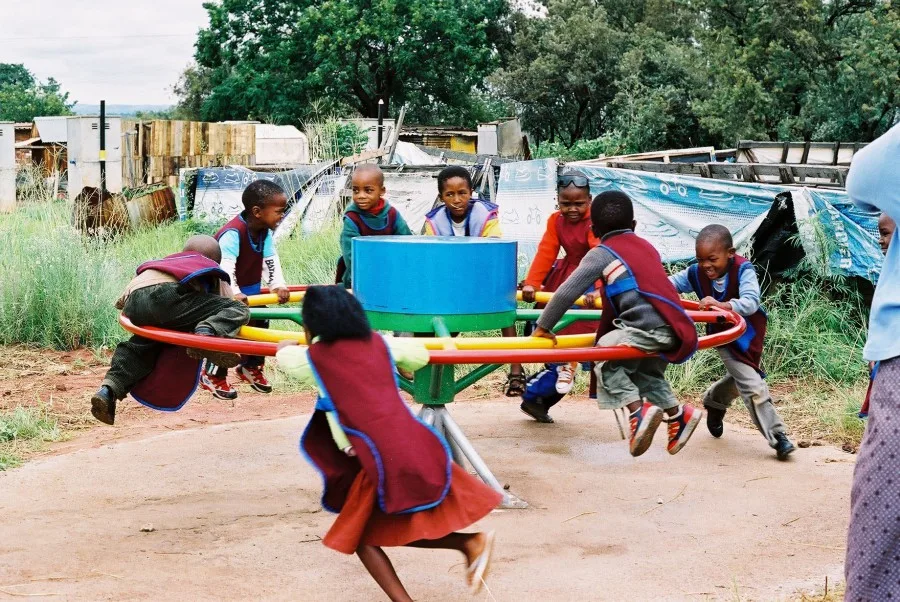
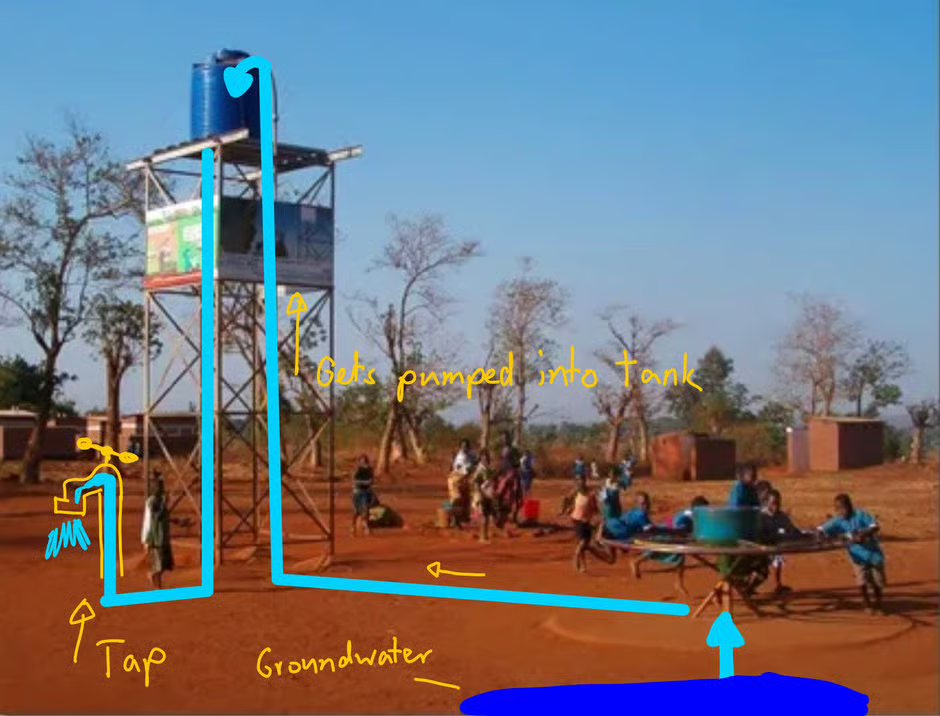
The book opens with the story of “PlayPumps,” a project that aimed to use children’s play energy to pump clean water in African villages. Initially celebrated and heavily funded, it later proved unsustainable and inefficient, serving as a powerful reminder that good intentions alone do not guarantee good outcomes.
Core Principles of Doing Good Better

MacAskill distills his philosophy into three core principles that help guide effective altruism:

  1. Maximize net benefit for humanity. Every act of giving, whether through donations or volunteering, should be guided by the potential to produce the greatest benefit, rather than by personal emotional satisfaction.
  2. Think counterfactually. Before acting, ask: “If I don’t do this, will someone else?” If the answer is yes, your effort might add little marginal value compared to acts that only you can make happen.
  3. Calculate expected value. When outcomes are uncertain, such as in research or career choices, estimate the likelihood of success and the magnitude of impact to prioritize actions that yield the highest overall return and avoid unnecessary risk.

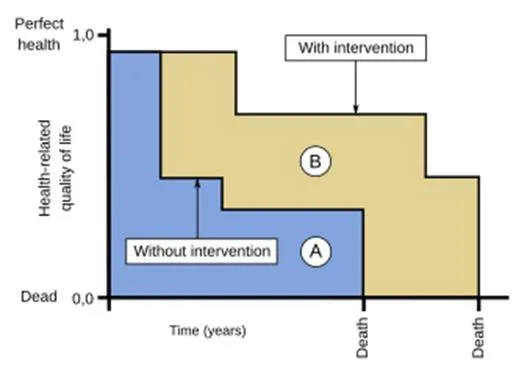
One of MacAskill’s key contributions is applying QALYs (Quality-Adjusted Life Years) as a standard for evaluating charitable effectiveness. QALYs quantify how many years of improved life, both in quality and length, result from an intervention. This allows direct comparison across causes: for instance, mosquito net distribution programs fighting malaria often yield far higher QALY returns per dollar than other charity models, making them a top priority for donations.
Learning from Mistakes to Grow Wiser

Through vivid examples, MacAskill exposes common pitfalls in traditional philanthropy: high-profile projects with little impact, organizations lacking transparency, and poorly planned relief efforts that waste resources. He encourages readers to adopt a critical, evidence-based mindset, avoiding emotional bias or superficial symbolism that may do more harm than good.

A Philosophy for Responsible, Sustainable Giving

Doing Good Better is more than a manual on effective altruism, it is a philosophy for modern living: doing good intelligently, efficiently, and sustainably. MacAskill argues that anyone can become a “world-changer” by asking the right questions, allocating resources wisely, and acting with foresight.

This book is an invaluable resource not only for philanthropists, volunteers, and policymakers, but for anyone who aspires to make a real social difference. Through rigorous reasoning, data, and practical insight, MacAskill shows how to transform good intentions into tangible, lasting progress.

To read Doing Good Better is to learn how to give responsibly, with clarity, awareness, and meaningful impact, not just for ourselves, but for the world we share.
Câu chuyện khác

PlayPump: When the Wheel of Goodwill Went Off Course
02.10.2026
PlayPump: When the Wheel of Goodwill Went Off Course
In a small rural village in South Africa, children laugh and cheer as they spin on a merry-go-round in the schoolyard. Their laughter mixes with the gentle sound of clean water flowing into nearby buckets. Two sounds that seem worlds apart are, in fact, connected by what was once hailed as a “humanitarian breakthrough”: each […]
Omnipreneurship – A Holistic Life Philosophy for the Modern Entrepreneur
02.10.2026
Omnipreneurship – A Holistic Life Philosophy for the Modern Entrepreneur
Omnipreneurship, a term introduced by Amr Al-Dabbagh, Chairman and CEO of Al-Dabbagh Group, combines an entrepreneurial mindset with deeply human values. This philosophy guides individuals toward a meaningful and well-balanced life while creating lasting impact for society and the environment. Built upon three core principles, Omnipreneurship encourages people to live and lead with purpose: Giving: Living […]
An Examination of Altruism Through Edward Osborne Wilson’s Anthropological Narrative of Ant Societies
02.10.2026
An Examination of Altruism Through Edward Osborne Wilson’s Anthropological Narrative of Ant Societies
In nature, ants are a vivid example of highly organized social life. A colony functions as a “superorganism,” in which each individual performs a specialized role that serves the collective. Worker ants tirelessly search for and transport food, soldier ants bravely defend against intruders, and the queen focuses on reproduction to maintain the colony’s lineage. […]
Charity & Philanthropy: Distinct Yet Complementary
02.10.2026
Charity & Philanthropy: Distinct Yet Complementary
Since the late nineteenth century, Andrew Carnegie, considered the founding father of modern giving, strongly criticized both posthumous bequests and indiscriminate acts of charity. He believed that wealth should be utilized during one’s lifetime to create communal value, famously asserting that “to die rich is to die disgraced.” Source: Serudsindia From there, a new dividing […]
Amy Schiller and a New Vision for the Philanthropic World
02.10.2026
Amy Schiller and a New Vision for the Philanthropic World
Amy Schiller’s book The Price of Humanity offers an inspiring call to action for the modern world of philanthropy. For Schiller, philanthropy must become a force that nurtures the full flourishing of humanity, transcending mere survival or the pursuit of efficiency to embrace our highest potential. Schiller invites us to reimagine philanthropy, shifting from a transactional mindset […]
The Eight Golden Rungs of Charity and a Timeless Humanistic Philosophy
02.10.2026
The Eight Golden Rungs of Charity and a Timeless Humanistic Philosophy
In the 12th century, Moses Maimonides (1135–1204), philosopher, physician, and Jewish rabbi, codified one of the most distinguished humanistic doctrines on charity: Eight Levels of Charity. This is a hierarchical table of charitable acts, from lowest to highest, determined by the degree of respect and support given to the recipient’s dignity. This doctrine carries not […]
You, not anyone else, are the future of philanthropy
02.10.2026
You, not anyone else, are the future of philanthropy
In her deeply moving and inspiring presentation, Katherine Fulton, President of the Monitor Institute, a strategist, and an educator devoted to social change, invited us to look again and redefined a concept that seems so familiar: philanthropy. Katherine Fulton, President of the Monitor Institute. We often think of philanthropy as something reserved for the wealthy, […]
“Ròm”: Reflections on who truly needs help and what constitutes ‘help enough’
02.10.2026
“Ròm”: Reflections on who truly needs help and what constitutes ‘help enough’
Awards: “New Currents” Award at the 2019 Busan International Film Festival; “Best First Feature” at the Fantasia International Film Festival; “Most Popular Feature Film” at the Mai Vang Awards Amidst the blaze of headlights, the dense high-rises and the pulsating rhythm of city life, Ròm appears as a persistent scratch, muted yet enduring. The film […]
TED Talk – “We Can All Be Philanthropists” – James Gough
25.08.2025
TED Talk – “We Can All Be Philanthropists” – James Gough
“Finish school first, make money, become successful—and then you can do philanthropy however you like.” If you’ve ever heard or believed this, Dr. James Gough—military doctor, tech social entrepreneur, and now a senior leader in the technology industry—invites you to think again. In his powerful and emotional talk, James poses two profound questions: Why do […]